
Duct material guide
Can Flexible Ductwork and Duct Board Be Cleaned in Florida?
A practical Florida homeowner guide to flexible duct cleaning, fiberglass duct board cleaning, duct encapsulation, Bioesque sanitizing, and clean-or-replace decisions.
Updated 2026-06-07Flexible ductwork cleaningFiberglass duct board cleaningDuct board encapsulation
Quick answer
The short version.
Flexible ductwork and fiberglass duct board can often be cleaned when the material is dry, intact, supported, and structurally sound. Cleaning is not the right answer when flex duct is crushed, torn, wet, brittle, or disconnected, or when duct board is wet, moldy, deteriorated, or failing. In those cases, repair, encapsulation, or replacement may be safer than forcing a cleaning.
Member savings
Hales AC Comfort Club members can save on eligible duct and indoor air quality work.
Guide review
Reviewed against Hales AC service standards.
This guide is written for homeowner decisions, not scare tactics.
St Pete Duct Cleaners guide content is reviewed against the Hales Air Conditioning service standard: inspection first, clear scope, practical pricing context, and no medical or guaranteed-outcome promises. The HVAC license shown with this service is Florida HVAC license CAC1822636.
Reviewed by
Hales Air Conditioning service standards
License
Florida HVAC license CAC1822636
About the team
Name, phone, service area, and Hales AC-backed service information
Clear scope
Inspection-first recommendations
Reference details
Review the equipment, product, and safety context behind this guide.
These references help explain equipment names, product labels, and duct-material guardrails. The right recommendation for your home still depends on inspection, access, duct material, moisture history, and what can be cleaned safely.
EPA duct cleaning guidanceFederal homeowner guidance for when duct cleaning may be considered, source correction, biocide caution, and porous material limits.NAIMA insulated duct cleaning guideIndustry guidance on preserving insulated duct system integrity during cleaning.Rotobrush BrushBeastManufacturer equipment reference for the Rotobrush brush-and-vacuum duct cleaning equipment referenced on this site.Reference only Bioesque Botanical Disinfectant SolutionManufacturer product reference for Bioesque Botanical Disinfectant Solution, used only when the inspected sanitizing scope supports treatment.Reference only
Equipment visuals
Match the equipment to the inspected condition.
These manufacturer images help identify the tools and products discussed in the guide. They are not a promise that every duct, dryer vent, or odor complaint needs every tool.
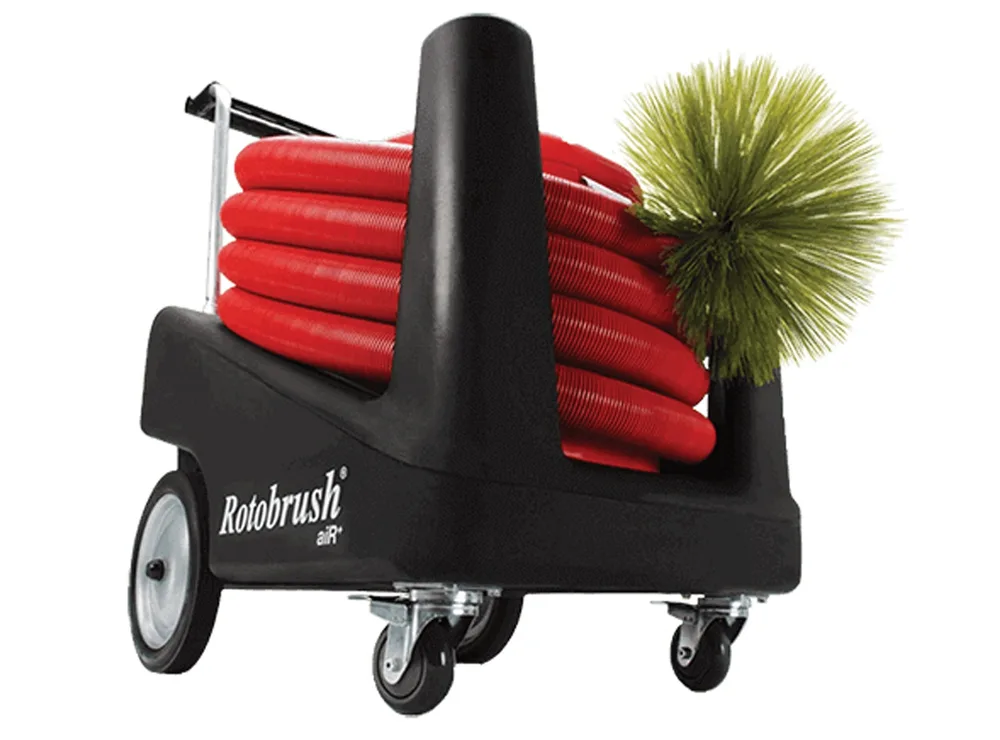
Air duct cleaning equipment
Rotobrush BrushBeast brush-and-vacuum equipment
Used for reachable residential duct sections where brush agitation and vacuum capture fit the duct material, access, and debris type found during inspection.
Reference: Rotobrush BrushBeast
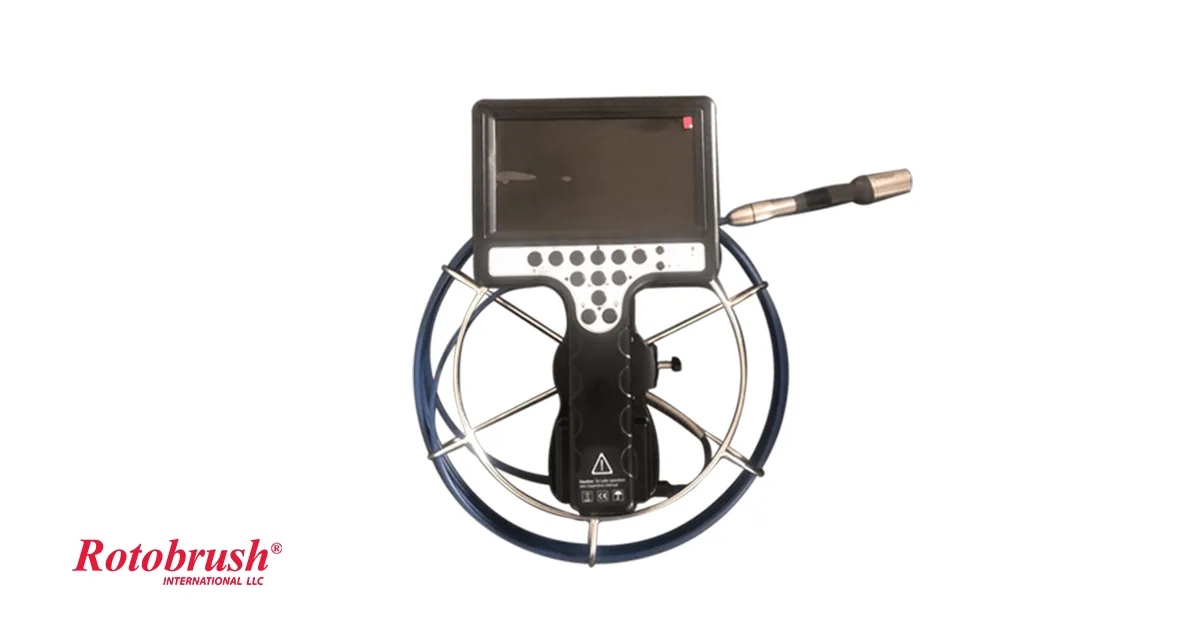
Inspection support
Rotobrush i2Cam inspection camera
Camera inspection can support clearer before-and-after documentation where access allows, especially for ducts, returns, and homeowner questions about what was found.
Reference: Rotobrush i2Cam
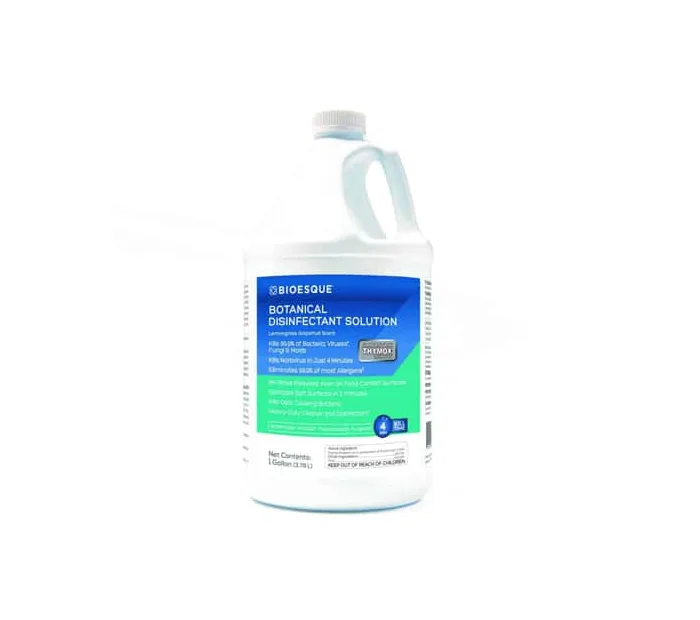
Sanitizing product
Bioesque Botanical Disinfectant Solution
Used only when sanitizing is appropriate after cleaning or source review. Product directions, surface type, occupancy, dry time, and ventilation matter.
Reference: Bioesque Botanical Disinfectant Solution
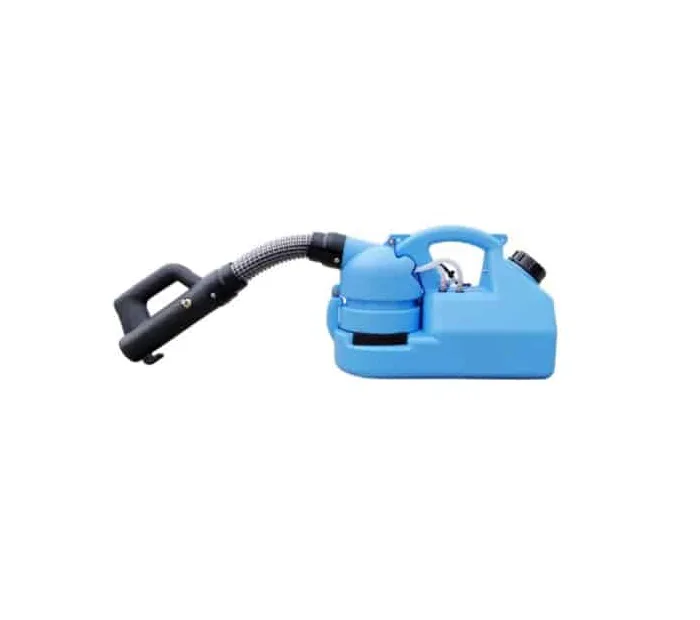
Application equipment
Rotobrush fogger equipment
Fogging is not a substitute for debris removal, moisture correction, or duct replacement. It belongs only in an inspected, label-directed sanitizing scope.
Reference: Rotobrush fogger
What to check
Use the symptom to choose the next step.
Start with duct material before choosing a service
Florida homes often combine flexible duct, fiberglass duct board, return boxes, attic runs, and older duct sections. The right service is not just duct cleaning; it is matching the tool to the material and condition.
Flexible duct should be checked for crushing, sagging, tears, moisture, and brittle liner before cleaning.
Fiberglass duct board should be dry, intact, and stable before cleaning or encapsulation is discussed.
Metal duct can usually tolerate a different cleaning approach than flex duct or lined material.
A return box or duct boot can be the source of dust or odor even when the supply run is not the main problem.
| Duct material | Cleaning may fit when | Be cautious when |
|---|---|---|
| Flexible duct | The inner liner is dry, intact, supported, and reachable without forcing the tool. | The run is crushed, kinked, torn, disconnected, wet, pest-damaged, or brittle. |
| Fiberglass duct board | The duct board is dry, structurally sound, and has loose dust or debris that can be cleaned carefully. | The board is wet, moldy, delaminating, soft, collapsing, or shedding material. |
| Metal duct | The duct is intact and has reachable loose debris, register buildup, or post-remodel dust. | There are leaks, loose joints, unsafe access, or a problem outside normal debris removal. |
Flexible duct cleaning vs replacement
Flex duct is common in Pinellas County attics because it is practical for residential layouts. It also needs a softer decision process than a hard metal duct because the liner, insulation, and outer jacket can be damaged by age, heat, moisture, or poor support.
Cleaning may fit when the duct is dry, intact, newer, supported, and visibly dirty but not damaged.
Replacement may fit when the duct is crushed, torn, wet, disconnected, too fragile, or poorly routed.
Airflow complaints can come from sagging, kinks, dampers, or system design rather than dust alone.
A quote should explain what can be reached and what should not be cleaned aggressively.
| Finding | Likely next step |
|---|---|
| Dry, intact flex duct with loose debris | Clean reachable sections with a duct-type-appropriate process. |
| Crushed or sharply kinked flex duct | Discuss repair or replacement because cleaning cannot restore shape. |
| Wet insulation or torn jacket | Find the moisture or damage source before considering cleaning. |
| Disconnected collar or loose boot | Repair or reconnect before judging whether cleaning will help. |
Fiberglass duct board: clean, encapsulate, or replace
Fiberglass duct board and lined duct surfaces need a careful inspection. Sometimes cleaning is enough. Sometimes a dry but worn surface may be a candidate for encapsulation after cleaning. Wet, moldy, deteriorated, or collapsing duct board is usually a replacement conversation.
Clean when the duct board is dry, intact, and structurally sound.
Encapsulation may be considered after cleaning when a worn duct-board surface is still stable.
Replace when duct board is wet, moldy, delaminating, soft, collapsing, or severely damaged.
Do not use coating or sanitizing as a shortcut over debris, active moisture, or failing material.
| Choice | Best fit | Not a fit for |
|---|---|---|
| Cleaning | Dry, intact duct board with loose dust or debris. | Wet, collapsing, or severely damaged material. |
| Encapsulation | Dry, cleaned, stable duct board with worn or scuffed surface areas. | Active mold, wet liner, debris-covered surfaces, or failing duct board. |
| Replacement | Wet, moldy, deteriorated, pest-damaged, leaking, or structurally weak duct board. | Sound material that simply needs careful cleaning and documentation. |
Where Bioesque sanitizing fits
Sanitizing is a treatment step after cleaning or diagnosis, not the same thing as duct cleaning. Bioesque may be used when the inspected surface and condition support it, but product label directions, surface suitability, vacancy, dry time, and ventilation requirements matter.
Remove accessible debris before discussing sanitizing.
Use sanitizing only when odor, residue, moisture history, or a specific condition supports treatment.
Do not sanitize over wet duct board, debris-covered surfaces, or a moisture problem that has not been corrected.
Explain what was treated, what was not treated, and what problem sanitizing should realistically help.
Older Florida ductwork should be inspected, not automatically replaced
Age is a reason to inspect ductwork, not a hard expiration date. Around the 15-year mark, many Florida flex duct and duct board systems deserve a closer look because attic heat, humidity, vibration, leakage, sagging, and prior repairs can change the best recommendation.
Inspect older ducts for leakage, damaged insulation, loose collars, crushing, and moisture history.
Ask whether cleaning, sealing, encapsulation, repair, or replacement solves the actual condition.
Do not assume a cleaning visit can fix airflow, humidity, leakage, or duct-design problems.
Keep photos and notes when the inspection supports a repair or replacement decision.
Questions homeowners ask
Clear answers before a sales call.
Can flexible ductwork be cleaned?
Yes, flexible ductwork can often be cleaned when it is dry, intact, properly supported, and not too fragile. The technician should inspect the liner, outer jacket, support, crushing, moisture, and access first, then explain whether cleaning or replacement is the safer choice.
Is Rotobrush safe for flexible ductwork?
Rotobrush equipment can be a useful fit for many residential flexible duct systems, but the duct condition still decides the scope. Old, torn, crushed, wet, disconnected, or brittle flex duct should not be treated like sound material just because a tool can reach it.
Can fiberglass duct board be cleaned?
Fiberglass duct board can often be cleaned when it is dry, intact, and structurally sound. It needs a careful method that avoids damaging the surface. Wet, moldy, deteriorated, delaminating, or collapsing duct board is usually a repair or replacement concern instead of a cleaning job.
When should duct board be replaced instead of cleaned?
Duct board should usually be replaced when it is wet, visibly moldy, soft, collapsing, delaminating, pest-damaged, leaking badly, or too damaged to clean safely. Cleaning and sanitizing should not be used to hide a duct board problem that is really material failure.
What is duct encapsulation?
Duct encapsulation is a coating step sometimes used after cleaning to stabilize a worn fiberglass duct board or lined duct surface. It is not routine for every system and should not be applied over active moisture, debris, confirmed growth, or failing material.
Is duct encapsulation better than duct cleaning?
Encapsulation is not better than cleaning because it serves a different purpose. Cleaning removes accessible debris. Encapsulation may stabilize a dry, cleaned, worn duct board surface. If the duct material is wet, damaged, moldy, or collapsing, replacement may be more appropriate.
Is duct sanitizing the same as duct cleaning?
No. Duct cleaning removes accessible dust and debris. Duct sanitizing is an optional treatment used after cleaning or diagnosis when the inspected surface and condition support it. It should not replace debris removal, moisture correction, duct repair, or replacement.
What product do you use for duct sanitizing?
St Pete Duct Cleaners uses Bioesque Botanical Disinfectant Solution when sanitizing is appropriate after inspection and cleaning. The treatment scope should follow product directions, surface suitability, vacancy guidance, dry time, and ventilation requirements instead of being sold as a default add-on.
Can Bioesque be fogged through HVAC systems?
Bioesque fogging should be discussed only in a label-directed, inspected scope. The treated area, surface type, vacancy, settling, drying, and ventilation requirements matter. Fogging should never be used as a shortcut for cleaning debris, correcting moisture, or replacing failed duct material.
When should Florida ductwork be replaced?
Florida ductwork should be inspected as it ages and replaced when it is leaking badly, crushed, sagging, wet, moldy, deteriorated, disconnected, undersized, or no longer safe to clean. Fifteen years is a useful inspection point, not a universal replacement deadline.
Does duct cleaning lower electric bills?
Duct cleaning alone is not a guaranteed energy-savings service. If the issue is leakage, missing insulation, crushed flex duct, dirty coils, or poor airflow design, repair, sealing, insulation, or HVAC service may matter more than cleaning accessible debris.
Should ducts be cleaned before or after replacing an AC system?
It depends on the duct condition. If the ducts are sound and dirty, cleaning can support a cleaner air path. If the ducts are old, leaking, wet, crushed, undersized, or deteriorated, repair or replacement may be smarter before investing in a new AC system.
Next reading
Related St Pete Duct Cleaners pages.
Ask about your home
Tell us what you are seeing, smelling, or waiting on.
The best next step depends on the symptom, the duct system, the dryer vent path, and the HVAC setup.