
Scam, drawbacks, and limits
Is Air Duct Cleaning a Scam? Honest Florida Homeowner Guide
A practical guide for homeowners who want the honest version: when air duct cleaning helps, when it does not, what red flags to avoid, and what a legitimate inspection should include.
Updated 2026-06-07Is duct cleaning a scamWhen not to clean air ductsAir duct cleaning pros and cons
Quick answer
The short version.
Air duct cleaning is not automatically a scam, but bad duct-cleaning sales tactics are real. A legitimate visit starts with inspection, explains what can and cannot be cleaned, avoids medical promises and pressure pricing, and does not treat duct cleaning as the fix for leaks, humidity, dirty coils, failed duct material, or normal household dust. In Florida homes, the right answer depends on visible debris, duct material, moisture history, filter fit, return leakage, and safe access.
Member savings
Hales AC Comfort Club members can save on eligible duct and indoor air quality work.
Guide review
Reviewed against Hales AC service standards.
This guide is written for homeowner decisions, not scare tactics.
St Pete Duct Cleaners guide content is reviewed against the Hales Air Conditioning service standard: inspection first, clear scope, practical pricing context, and no medical or guaranteed-outcome promises. The HVAC license shown with this service is Florida HVAC license CAC1822636.
Reviewed by
Hales Air Conditioning service standards
License
Florida HVAC license CAC1822636
About the team
Name, phone, service area, and Hales AC-backed service information
Clear scope
Inspection-first recommendations
Reference details
Review the equipment, product, and safety context behind this guide.
These references help explain equipment names, product labels, and duct-material guardrails. The right recommendation for your home still depends on inspection, access, duct material, moisture history, and what can be cleaned safely.
EPA duct cleaning guidanceFederal homeowner guidance on when duct cleaning may be considered, source correction, biocide caution, and porous material limits.NADCA proper cleaning methodsHomeowner guidance on source removal, access, contaminant collection, and whole-system cleaning concepts.NADCA proper cleaning equipmentHomeowner guidance noting that equipment must match the system and that flex duct, duct board, and lined ductwork can be damaged by overly aggressive methods.Rotobrush BrushBeastManufacturer equipment context for the Rotobrush brush-and-vacuum duct cleaning system referenced on this site.Reference only
Equipment visuals
Match the equipment to the inspected condition.
These manufacturer images help identify the tools and products discussed in the guide. They are not a promise that every duct, dryer vent, or odor complaint needs every tool.
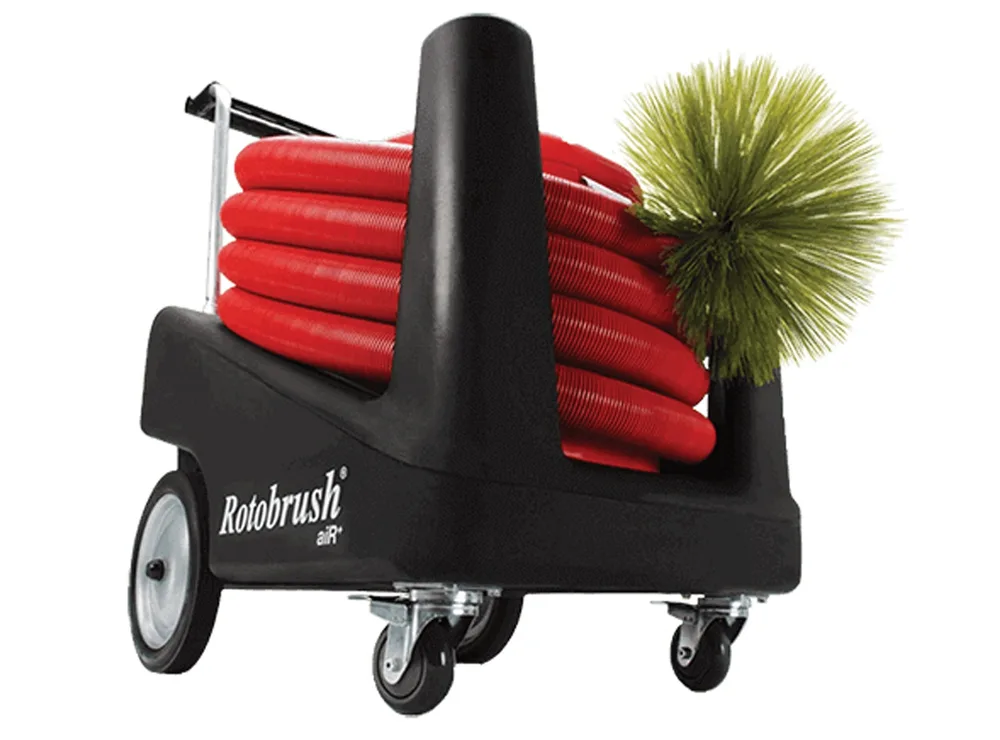
Air duct cleaning equipment
Rotobrush BrushBeast brush-and-vacuum equipment
Used for reachable residential duct sections where brush agitation and vacuum capture fit the duct material, access, and debris type found during inspection.
Reference: Rotobrush BrushBeast
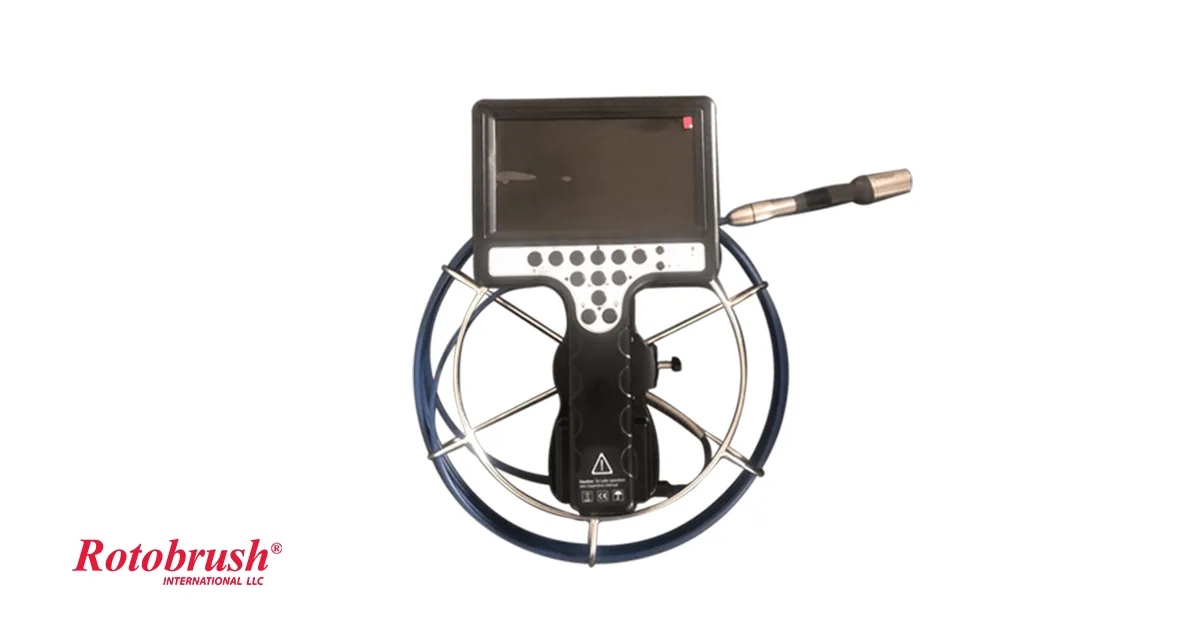
Inspection support
Rotobrush i2Cam inspection camera
Camera inspection can support clearer before-and-after documentation where access allows, especially for ducts, returns, and homeowner questions about what was found.
Reference: Rotobrush i2Cam
What to check
Use the symptom to choose the next step.
The honest answer: duct cleaning is useful only when the condition supports it
The best duct-cleaning companies do not try to make every homeowner afraid of their air ducts. They inspect first, explain what they found, and separate debris removal from HVAC repair, filtration, humidity control, duct replacement, sanitizing, and medical concerns.
Duct cleaning can help when reachable ductwork or returns contain visible dust, remodel debris, pest debris, or loose buildup.
Duct cleaning is weaker when the real issue is a dirty coil, drain problem, return leak, poor filter fit, attic infiltration, or crushed flex duct.
A legitimate scope explains access limits, fragile duct material, and which add-ons are optional instead of automatic.
No duct-cleaning page or technician should promise to cure allergies, eczema, asthma, mold problems, or every odor.
When not to clean air ducts
Sometimes the right answer is not duct cleaning. Florida attic heat, humidity, older flexible duct, fiberglass duct board, and return leaks can make the underlying problem different from the dust a homeowner sees at the register.
Do not clean wet, moldy, collapsing, torn, disconnected, crushed, or brittle duct material as if it were sound ductwork.
Do not use cleaning to avoid a needed duct repair, filter-cabinet correction, coil cleaning, drain repair, or moisture-source fix.
Do not approve sanitizing before accessible debris is removed and the source condition is understood.
Do not treat a coupon price as the whole decision; compare written scope, access, limits, and findings.
Air duct cleaning pros and cons
A balanced duct-cleaning decision has benefits and limitations. The key is knowing which column describes the home after inspection.
Useful when debris is reachable and the duct material can be cleaned safely.
Less useful when dust is coming from outside the duct system or from a repair issue.
Helpful documentation can show before-and-after conditions where access allows.
Overly aggressive methods can damage fragile flex duct, duct board, or lined duct material.
| Potential benefit | Important limitation |
|---|---|
| Removes accessible dust, lint, pet hair, remodel dust, and loose debris from reachable ducts and returns. | Does not seal duct leaks, reconnect loose ducts, repair crushed flex duct, or fix filter bypass. |
| Can support a cleaner air path before filtration, UV, or media air cleaner upgrades. | Does not replace coil cleaning, drain service, humidity control, or HVAC maintenance. |
| Can help document what was actually inside the duct system when inspection access allows. | Does not guarantee allergy relief, medical improvement, energy savings, or odor removal. |
| Can be useful after renovation dust, pest debris, or long periods without verified cleaning. | Should be delayed when duct material is wet, deteriorated, contaminated, or unsafe to clean. |
How to avoid duct-cleaning scams
Most scam risk comes from pressure, vague scope, medical promises, bait pricing, or add-ons sold before anyone understands the home. A good company should be willing to explain what would make cleaning unnecessary too.
Ask what is included: supply registers, returns, accessible duct sections, documentation, and cleanup.
Ask what is not included: duct repair, coil cleaning, mold remediation, sanitizing, UV, filtration, or dryer vent work.
Ask how the company handles fragile flex duct, duct board, wet liner, damaged ducts, and access limits.
Avoid anyone who says every home needs sanitizing, every symptom is duct mold, or a low coupon covers all systems and add-ons.
The 2 foot rule question
Homeowners often ask about the 2 foot rule when they are trying to understand whether a company only vacuums near the register. The better question is not a fixed number; it is what the technician can reach safely with the right tool for that duct material.
Register-area dust is only one part of the scope.
Duct layout, bends, flex duct support, duct board condition, and access points change reach.
Camera inspection can help explain what is visible where access allows.
A quote should not imply every inch of every duct can always be cleaned.
Insurance questions need documentation, not guesses
Routine duct cleaning is usually a maintenance or indoor-air-quality service. If ducts are being discussed after a storm, leak, fire, smoke, or water event, homeowners should ask the insurance carrier what documentation is required before work begins.
Keep photos, inspection notes, and repair records when duct work follows a covered event.
Ask the carrier or adjuster whether duct cleaning, duct replacement, drying, or remediation is covered under the policy.
Do not let a contractor promise insurance coverage that only the carrier can decide.
Separate routine cleaning from damage-related repair or replacement work.
Questions homeowners ask
Clear answers before a sales call.
Is duct cleaning a scam?
Duct cleaning is not automatically a scam, but scammy duct-cleaning sales tactics are real. Be cautious with pressure pricing, health-cure promises, vague coupon offers, automatic sanitizing, and companies that do not inspect duct material, access, moisture, filters, returns, and HVAC conditions before recommending work.
Is air duct cleaning a scam?
Air duct cleaning is legitimate when inspection finds reachable debris and the duct material can be cleaned safely. It becomes suspect when it is sold as a guaranteed cure for allergies, mold, odor, energy bills, or every dust problem without first checking the actual home.
What are the drawbacks of duct cleaning?
The main drawbacks are paying for cleaning when the real problem is elsewhere, allowing aggressive methods on fragile ductwork, accepting unsupported health claims, or adding sanitizing before debris, moisture, filter bypass, duct damage, or coil/drain issues are understood.
When should air ducts not be cleaned?
Air ducts should not be cleaned like normal ductwork when the material is wet, moldy, torn, crushed, disconnected, collapsing, brittle, or unsafe to access. In those cases, repair, replacement, drying, moisture correction, or another HVAC scope may come before cleaning.
What are the pros and cons of air duct cleaning?
The pros are removal of accessible dust, lint, remodel debris, pet hair, and loose buildup when the duct system is safe to clean. The cons are that cleaning does not fix leaks, crushed ductwork, filter bypass, dirty coils, humidity problems, medical symptoms, or every odor by itself.
Can air duct cleaning cause problems?
Air duct cleaning can cause problems if aggressive tools are forced through fragile flex duct, duct board, wet liner, or damaged ductwork. It can also disappoint if the real issue is leakage, humidity, filter bypass, or HVAC maintenance rather than debris inside reachable ducts.
What is the 2 foot rule for ducts?
Homeowners often use the 2 foot rule to ask whether cleaning only reaches near the register. Real cleaning reach depends on duct layout, tool choice, duct material, access points, and safety. A good technician explains which sections are reachable instead of promising every inch.
Does homeowners insurance cover air duct cleaning?
Routine air duct cleaning is usually maintenance, not automatic homeowners insurance coverage. If duct cleaning follows a water, smoke, fire, storm, or covered loss, ask the carrier or adjuster what documentation, drying, repair, replacement, or remediation steps are required.
How do I avoid duct cleaning scams?
Avoid duct-cleaning scams by asking for a written scope, a real inspection, clear add-on pricing, license and insurance proof, equipment details, access limits, and before-and-after documentation where possible. Be wary of medical promises, scare tactics, and coupons that cannot explain what is included.
Are $99 duct cleaning coupons a red flag?
A low coupon is a red flag when it does not explain system count, register count, return cleaning, access, duct material, sanitizing, dryer vent work, or add-ons. Compare the written scope and inspection process instead of choosing the lowest advertised number.
What should a duct cleaning company inspect first?
A duct cleaning company should inspect registers, returns, visible duct interiors, duct material, air handler access, filter fit, moisture clues, coil or drain odor clues, and damaged or inaccessible duct sections before recommending cleaning, sanitizing, filtration, UV, or repair.
Ask about your home
Tell us what you are seeing, smelling, or waiting on.
The best next step depends on the symptom, the duct system, the dryer vent path, and the HVAC setup.